
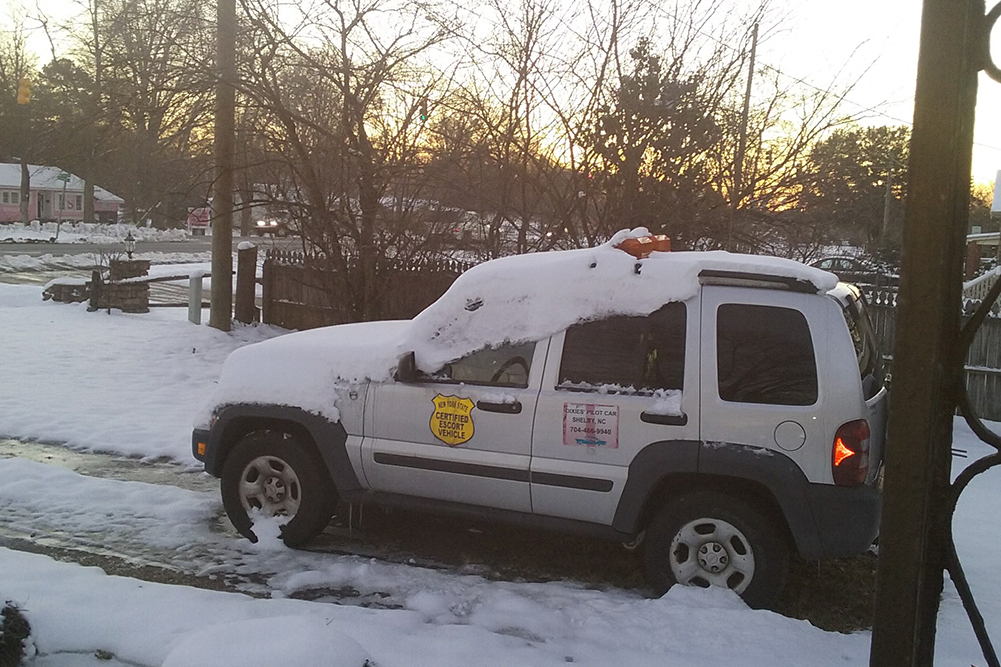
As winter approaches in the United States and Canada, pilot car operators must ensure their fleets are prepared to navigate through the hazardous road conditions that come with the season. Snow, ice, and freezing temperatures can make driving more dangerous, especially for oversized loads that require the assistance of pilot cars for safe transportation. In this article, we will discuss essential tips for preparing your pilot car fleet for winter road hazards.
1. Check Your Equipment
Before winter sets in, it is crucial to inspect all equipment thoroughly. Check the tires on your pilot cars to ensure they have proper tread depth for traction on snow and ice. Make sure all lights are in working condition, including headlights, taillights, and emergency lighting. Additionally, inspect communication devices, such as radios or cell phones, to guarantee they are functioning correctly.
2. Stock Up on Winter Supplies
It is essential to stock up on winter supplies to keep your pilot car operators safe and comfortable during their journeys. Supplies may include ice scrapers, snow brushes, windshield washer fluid rated for freezing temperatures, warm blankets, extra clothing, non-perishable food, and water. Having these supplies on hand can make a significant difference in emergency situations.
3. Train Your Drivers for Winter Conditions
Winter driving requires a different skill set compared to driving in other seasons. Make sure your pilot car drivers are adequately trained to handle winter road hazards. Training should cover topics such as driving on snow and ice, emergency procedures, and the importance of maintaining a safe following distance. Encourage your drivers to practice safe driving habits at all times.
4. Monitor Weather Conditions
Stay informed about weather conditions along planned routes to anticipate any challenges your pilot car fleet may face. Keep an eye on weather forecasts and road condition updates to make informed decisions about when to proceed with a journey and when to delay or reroute due to inclement weather. Safety should always be the top priority.
5. Adjust Schedules Accordingly
Winter weather can cause delays, so it is essential to adjust schedules accordingly. Allow extra time for journeys during winter months to account for slower driving speeds and potential road closures. Communicate with all parties involved in the transportation process to set realistic expectations and ensure everyone is on the same page regarding timelines.
6. Maintain Open Communication
Effective communication is key to safely navigating through winter road hazards. Ensure your pilot car operators have reliable communication channels with each other, the oversize load driver, dispatch, and any relevant authorities. Establish procedures for checking in regularly and providing updates on road conditions or any issues encountered along the way.
Final Thoughts
Preparing your pilot car fleet for winter road hazards requires careful planning and attention to detail. By checking your equipment, stocking up on winter supplies, training your drivers, monitoring weather conditions, adjusting schedules, and maintaining open communication, you can enhance safety and efficiency during winter months. Remember that prioritizing safety is paramount when operating in challenging winter conditions in the United States and Canada.
