
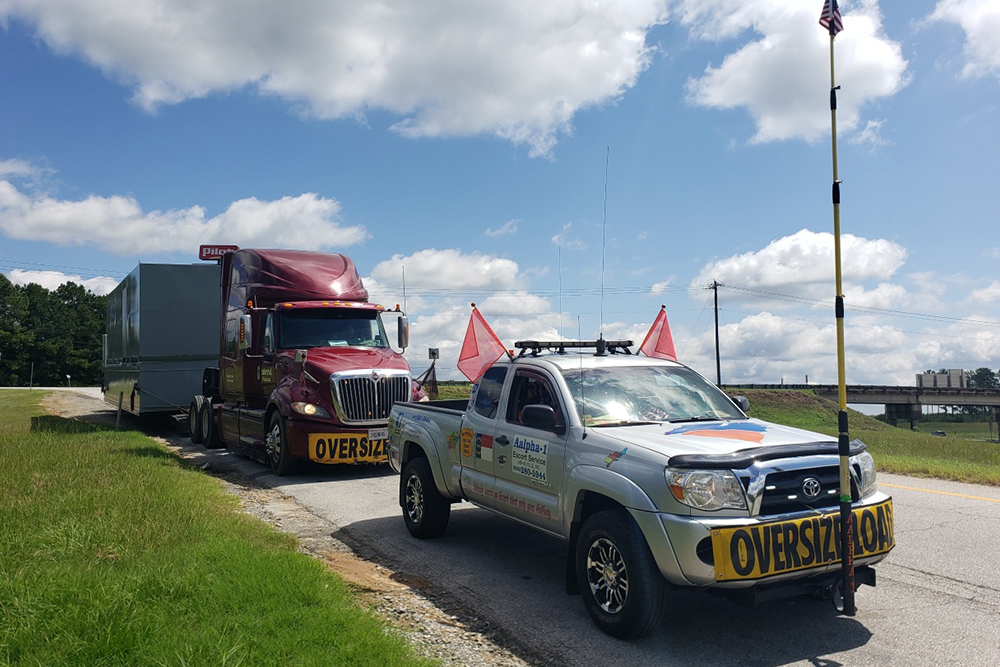
As the winter season approaches, it is crucial for pilot car drivers in the United States and Canada to prepare and ensure the safety of their equipment. Conducting a thorough pre-winter inspection of your pilot car equipment is essential to prevent breakdowns and ensure smooth operations during the colder months. Here is a comprehensive checklist to help you get ready for the upcoming winter season:
1. Tire Check
- Inspect tires for tread depth and signs of wear.
- Check tire pressure and adjust as needed.
- Ensure tires are suitable for winter driving conditions.
2. Lighting and Signage
- Test all lights, including headlights, taillights, brake lights, and turn signals.
- Make sure all reflective signage and markings are clean, visible, and in good condition.
- Carry spare bulbs and fuses for quick replacements if necessary.
3. Fluid Levels
- Check and top up all fluid levels, including oil, coolant, and windshield washer fluid.
- Ensure proper antifreeze levels to prevent freezing in cold temperatures.
4. Brake Inspection
- Test brakes for responsiveness and effectiveness.
- Check brake pads and discs for wear and tear.
- Verify emergency brake functionality.
5. Communications Equipment
- Test two-way radios and ensure clear communication with other drivers and authorities.
- Charge and test cell phones or any GPS devices for emergency use.
- Carry a backup communication device in case of failures.
6. Safety Gear
- Check the condition of safety cones, flags, and other warning devices.
- Ensure you have the appropriate safety gear for winter conditions, including reflective vests, gloves, and hats.
- Carry emergency kits with blankets, non-perishable food, water, and a first aid kit.
7. Vehicle Inspection
- Inspect the overall condition of your pilot car, including body damage, rust, and leaks.
- Test heating and defrost systems to ensure visibility in cold weather.
- Check wiper blades for effectiveness and replace if necessary.
8. Documentation
- Ensure all necessary permits, licenses, and insurance documents are up to date and accessible.
- Carry a copy of your route plan and contact information for easy reference.
- Keep a logbook to record inspections, repairs, and any incidents during the winter season.
By following this pre-winter pilot car equipment inspection checklist, you can enhance safety, efficiency, and compliance with regulations during the challenging winter months in the United States and Canada.
Final Thoughts
Preparing your pilot car equipment for winter is not only a legal requirement but also a crucial step in ensuring the safety of yourself and others on the road. Taking the time to conduct a thorough inspection and address any issues proactively can prevent costly breakdowns and accidents during the winter season. Stay safe, stay prepared, and have a successful winter driving season!
