
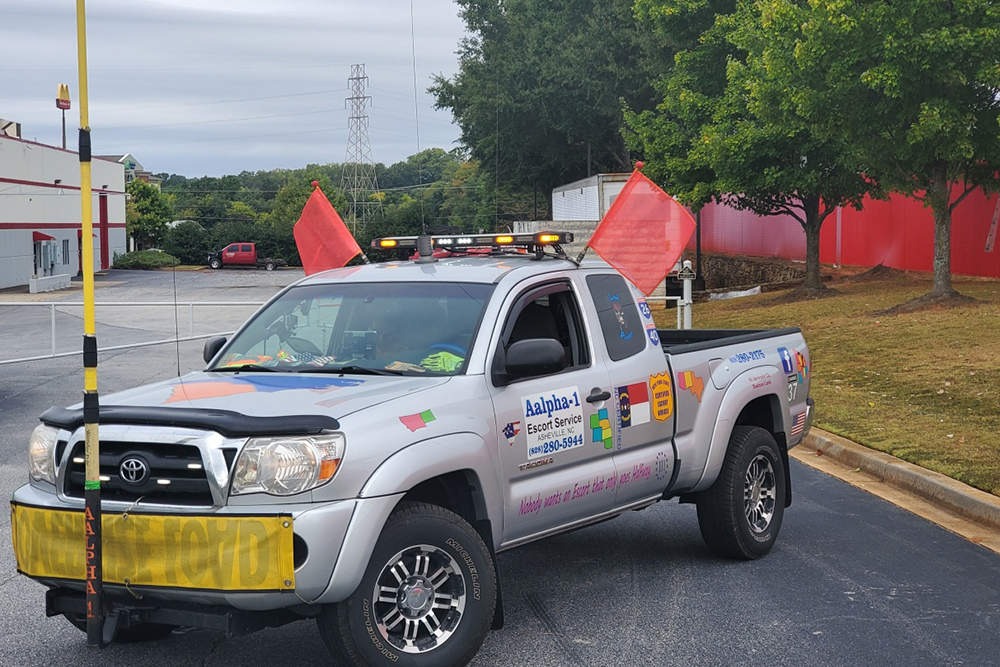
As an oversize load escort, navigating winter driving conditions can present unique challenges. In the United States and Canada, where winter weather can be harsh and unpredictable, pilot car drivers must be prepared to ensure the safe transport of oversized loads. This article will provide valuable tips and strategies for pilot car drivers to navigate winter driving conditions effectively.
1. Stay Informed
- Keep an eye on weather forecasts: Stay updated on weather forecasts along your route to anticipate any potential winter weather conditions.
- Check road conditions: Monitor road conditions through official channels or apps to be aware of any closures or hazardous areas.
- Plan for delays: Be prepared for potential delays due to winter weather conditions and plan your route accordingly.
2. Safety Equipment
- Install winter tires: Equip your pilot car with winter tires for better traction on snow and ice-covered roads.
- Carry emergency supplies: Stock your vehicle with emergency supplies such as blankets, water, non-perishable food, a first aid kit, and a flashlight in case of an unexpected delay or emergency.
- Use reflective gear: Ensure that your pilot car is equipped with reflective gear and lights to enhance visibility in low-light and snowy conditions.
3. Driving Techniques
- Slow down: Reduce your speed when driving in winter weather to maintain control of your vehicle.
- Increase following distance: Leave extra space between your vehicle and the oversize load you are escorting to allow for longer stopping distances.
- Avoid sudden maneuvers: Make gradual movements when steering, accelerating, and braking to prevent skidding on slippery roads.
4. Communication
- Stay in touch: Maintain open communication with the oversize load driver to coordinate stops, speed adjustments, and any changes in the route due to winter weather conditions.
- Use two-way radios: Invest in quality two-way radios to ensure clear and reliable communication between pilot cars and oversize load drivers.
- Stay connected: Stay connected with local authorities, road crews, and other pilot car drivers to share information about road conditions and potential hazards.
5. Vehicle Maintenance
- Check your vehicle: Ensure that your pilot car is in good working condition before embarking on a journey in winter weather.
- Maintain fluids: Check and top up essential fluids such as oil, coolant, and windshield washer fluid to prevent mechanical issues in cold weather.
- Keep fuel tank full: Keep your fuel tank at least half full to prevent fuel line freeze-ups and ensure you have enough fuel in case of unexpected delays.
Final Thoughts
Winter driving as a pilot car escort for oversize loads in the United States and Canada requires careful planning, preparation, and attention to detail. By staying informed, equipping your vehicle with the necessary safety gear, using appropriate driving techniques, maintaining open communication, and ensuring proper vehicle maintenance, pilot car drivers can navigate winter roads safely and effectively. Remember, safety should always be the top priority when escorting oversize loads during the winter months.
