
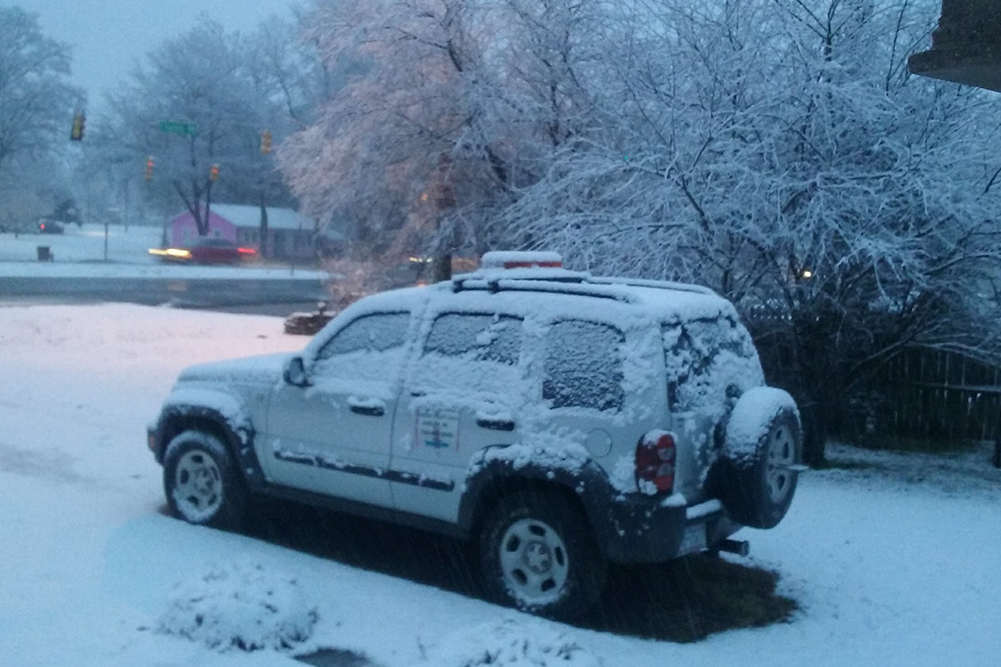
Winter conditions can pose significant challenges for pilot car operations in the United States and Canada. Pilot cars play a crucial role in escorting oversized loads, ensuring the safety of both the load being transported and other motorists on the road. However, winter weather, such as snow, ice, and cold temperatures, can create additional hazards that pilot car drivers need to be aware of. In this article, we will explore how winter conditions impact pilot car operations and safety in the United States and Canada.
Decreased Visibility
- Snow: Snowfall can reduce visibility on the road, making it harder for pilot car drivers to see the oversized load they are escorting as well as other vehicles on the road.
- Ice: Icy conditions can further decrease visibility and make it challenging for pilot car drivers to maintain control of their vehicles.
- Fog: Winter months often bring foggy conditions, which can obscure the road ahead and increase the risk of accidents for pilot cars and oversized loads.
Road Conditions
- Snow and Ice: Slippery roads covered with snow and ice require pilot car drivers to adjust their speed and driving behavior to ensure they can safely escort the oversized load.
- Black Ice: A particularly hazardous road condition, black ice is difficult to spot and can cause vehicles to slide off the road or lose control.
Equipment Maintenance
- Tire Chains: Pilot car drivers may need to use tire chains to navigate snowy and icy roads safely.
- Antifreeze: Ensuring that the vehicle’s antifreeze levels are adequate is crucial in preventing engine freezing in cold temperatures.
- Windshield Wipers: Functioning windshield wipers are essential for maintaining visibility in snowy or rainy conditions.
Safety Tips for Winter Pilot Car Operations
- Check Weather Forecasts: Stay informed about weather conditions along the planned route to anticipate any challenges.
- Increase Following Distance: Give yourself plenty of space between your vehicle and the oversized load to allow for safe braking in slippery conditions.
- Use Hazard Lights: Make sure your hazard lights are on to alert other drivers of your presence, especially in low visibility situations.
- Communication: Maintain constant communication with the driver of the oversized load to coordinate movements and ensure a safe escort.
By being aware of the challenges posed by winter conditions and taking proactive measures to address them, pilot car operators can help maintain safety on the roads during the colder months.
Final Thoughts
Winter conditions present unique challenges for pilot car operations in the United States and Canada. By understanding how factors such as decreased visibility, hazardous road conditions, and equipment maintenance can impact safety, pilot car drivers can take steps to mitigate risks and ensure a safe escort for oversized loads. Stay informed, adapt your driving behavior, and prioritize communication to navigate winter conditions successfully.
